SmartKiln (IoT Kiln Controller)

Image Credit: Zach Moore
Resources
Update: The SmartKiln landing page is still live, but the project is no longer maintained and the server has been shut down. I no longer have a kiln or actively work with ceramics, though I’d love to revive it someday.
Kiln firings, especially for crystalline glazes, require precise temperature control over long periods, sometimes several days. Traditional kilns use mechanical controllers that must be manually adjusted and monitored. In the final hours, a cone (a small ceramic pyramid that melts at a specific temperature) triggers a switch to cut power to the heating elements.
Newer digital controllers can follow programmed temperature curves and long holds, but don’t provide meaningful monitoring or easy adjustments. Experimenting with firing schedules or managing multiple kilns often means reprogramming them, and they can be expensive for what they offer.
The Controller
I wanted a more affordable controller that reads temperatures and drives the heating elements, with remote monitoring and control through a mobile app. It would:
- Send milestone alerts.
- Log temperature data.
- Let me manage multiple kilns and switch firing profiles from one place.
The first goal was a working prototype for my own firings, with plans to eventually make it reliable enough for a commercial product.
Versions
Approx March 2018 - Apr 2020
As soon as the first version worked, I used it and every later version exclusively for all my firings until I no longer had access to a kiln. This was my first real engineering and software project, and a huge leap into the deep end. It taught me about IoT devices, embedded software, full-stack development, and DevOps, and had a big impact on my first engineering position and career.
Each version involved plenty of debugging, testing, soldering, case design, and reprinting to improve tolerances. Along the way:
- I learned to work with SPI, I2C, and GPIO and write drivers for sensors and relays.
- I built fake sensors for local development and learned to work directly on real devices.
- I built and deployed APIs, websites, and mobile apps with no prior experience.
Every version was built from scratch, carrying forward what I learned from the last. These were the main milestones:
Touchscreen Controller
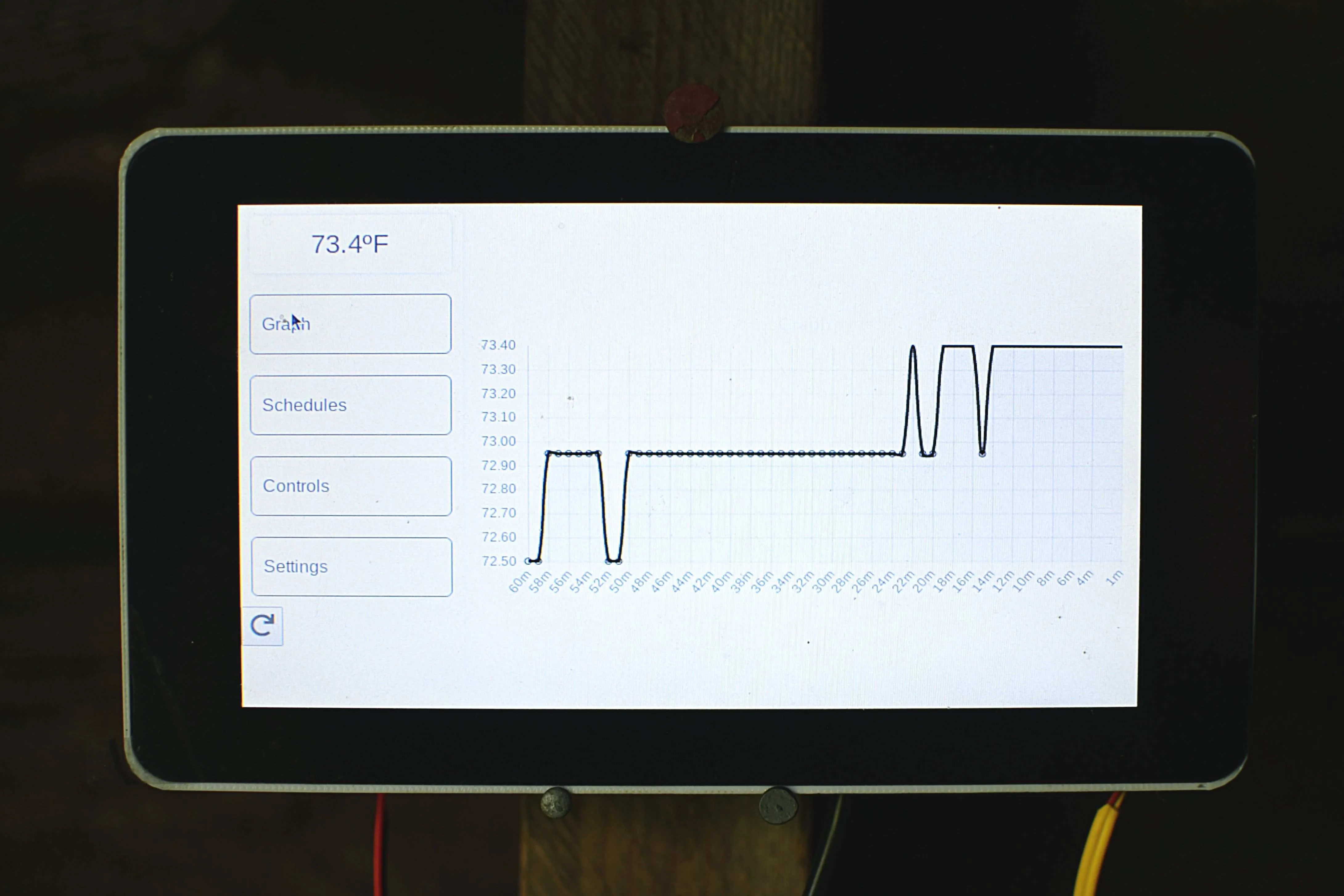
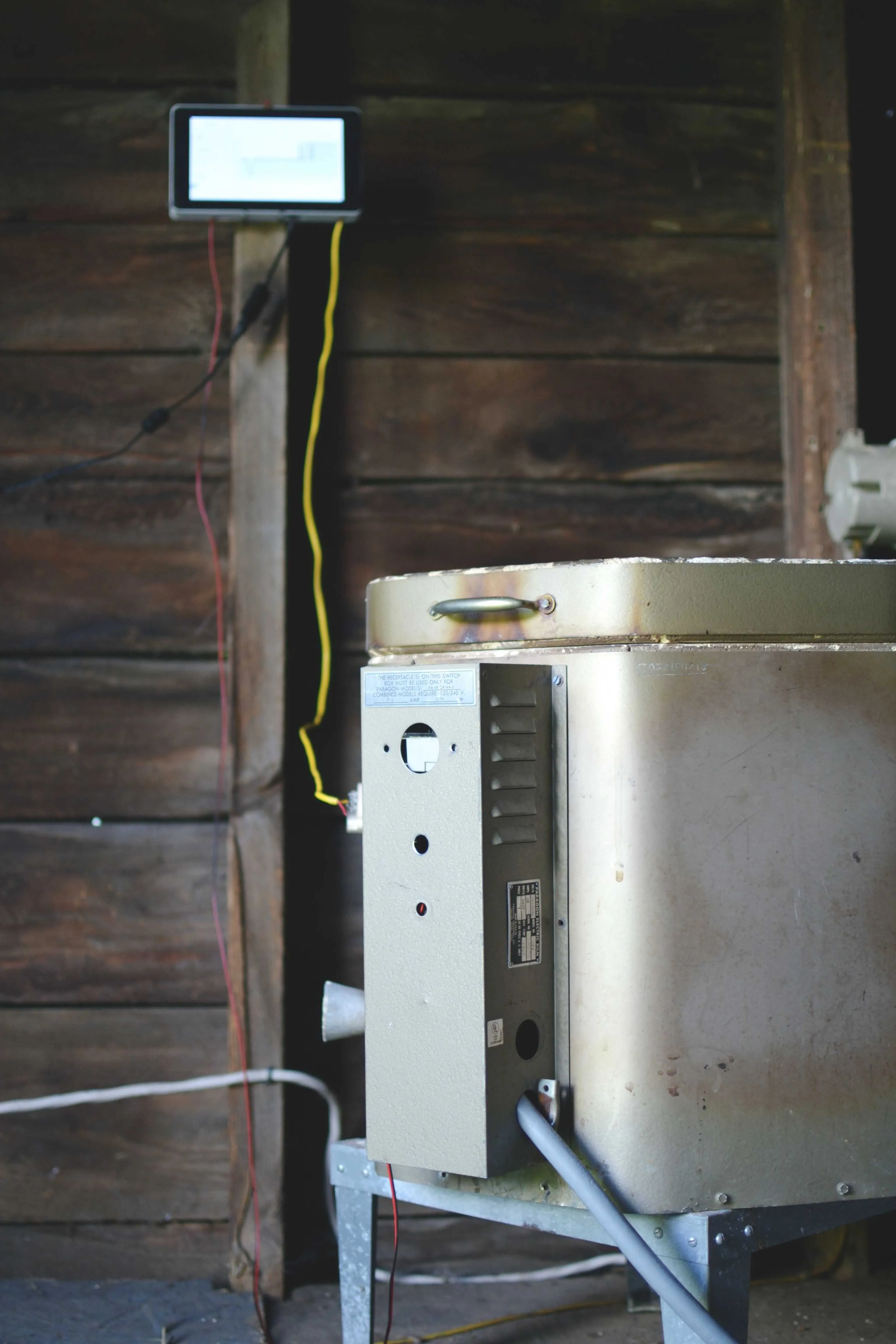
- Used a Raspberry Pi and touchscreen to build a standalone kiln controller with Node.js.
- Used available packages and built custom drivers for communicating with thermocouples and solid-state relays.
- The controller hosted its own UI using React and stored firing profiles locally.
- Implemented a basic PID control loop to manage heating elements based on thermocouple readings.
Wi-Fi Controller
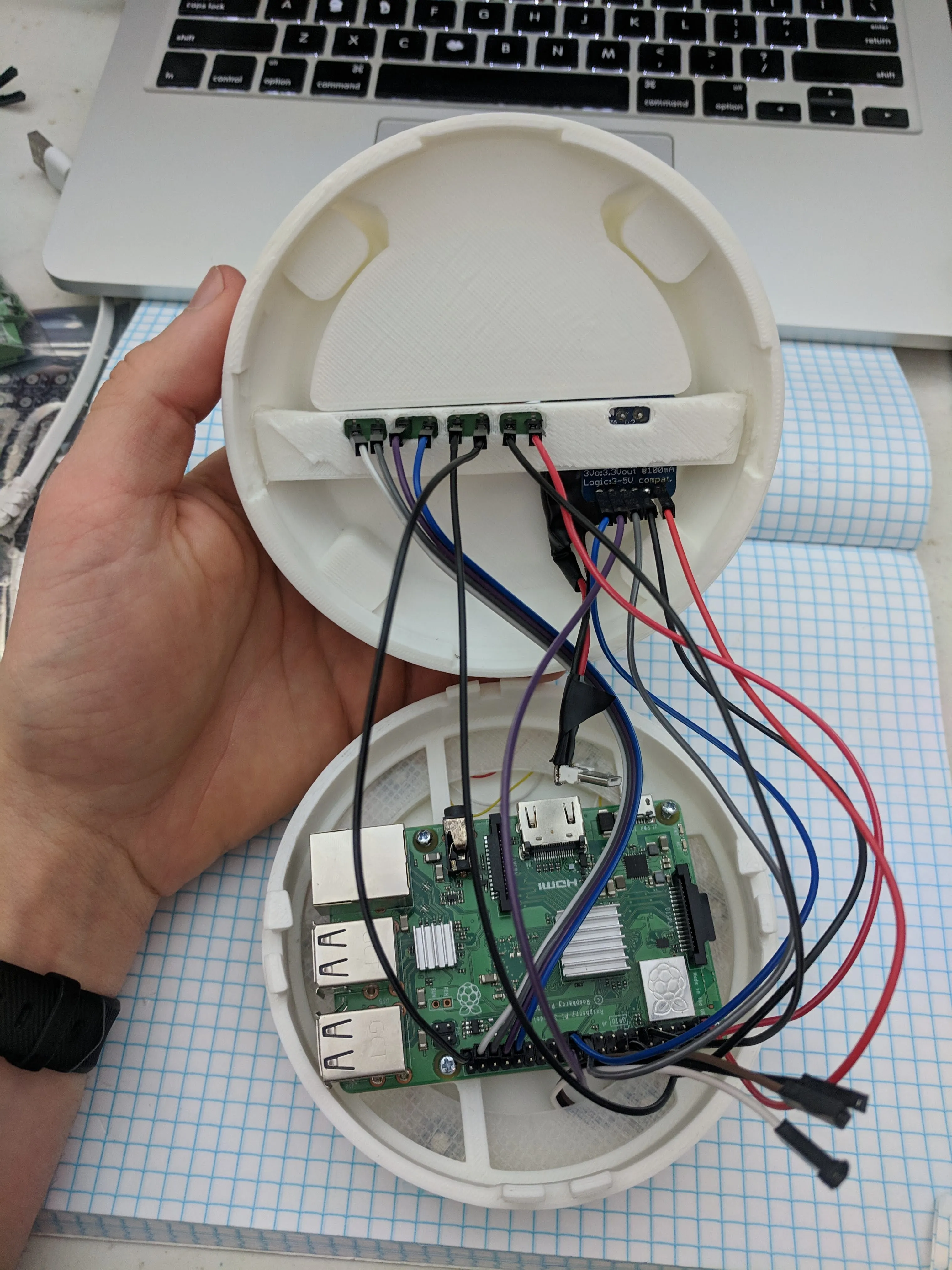
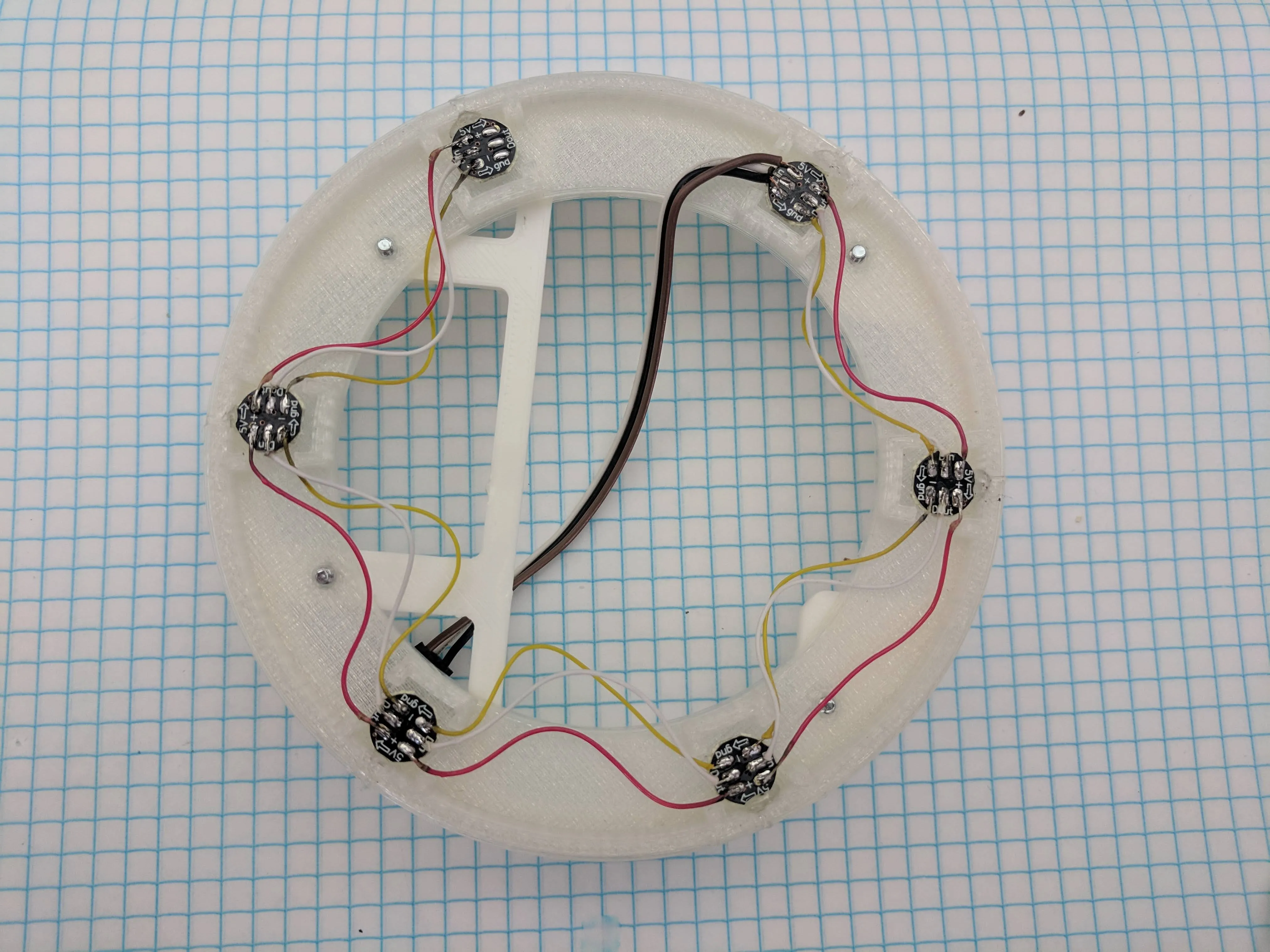
- Built a screenless version of the controller, continuing to use the Raspberry Pi and Node.js.
- Operated headlessly and connected to the internet via Wi-Fi for monitoring and control, with a simple LED status ring.
- Built a Firebase-backed web app for managing multiple kilns, firing profiles, and providing remote monitoring and control.
Hardware and Mobile App
- Completely redesigned and rewrote the full stack from the ground up.
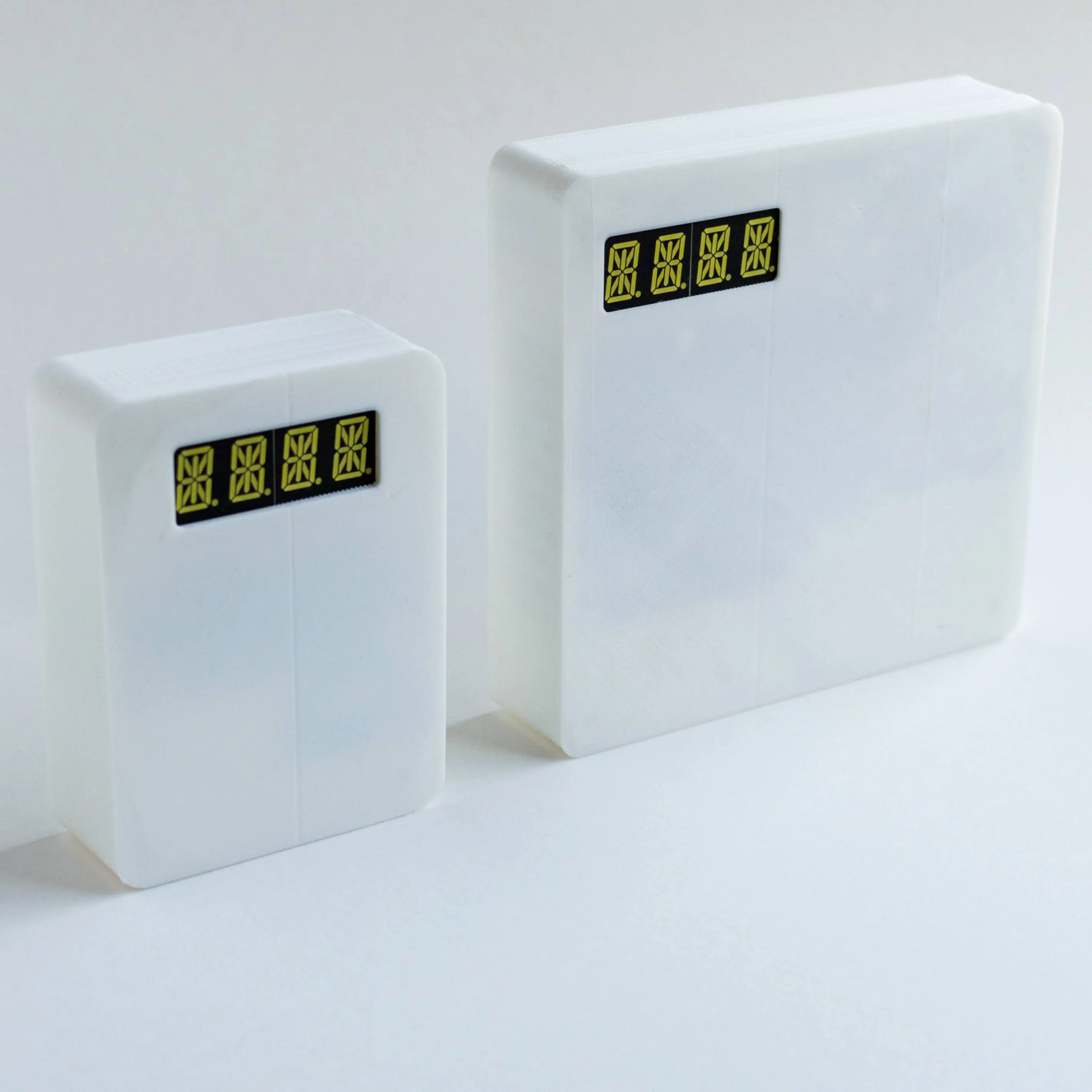
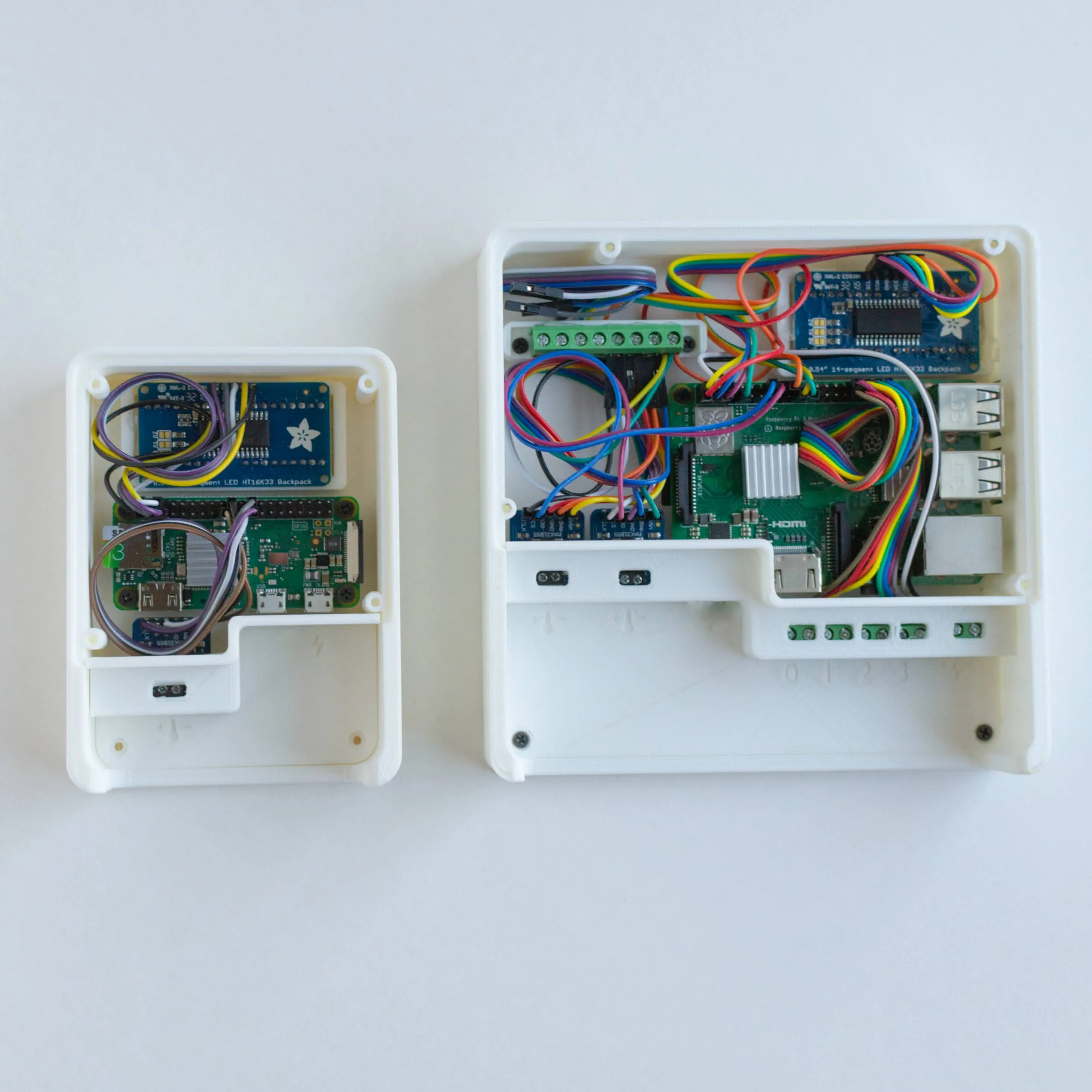
- Built two new hardware versions using a Raspberry Pi Zero W and a Raspberry Pi 3B+.
- The embedded software remained Node.js-based, but was entirely rewritten to be more modular, testable, and maintainable.
- The new hardware devices:
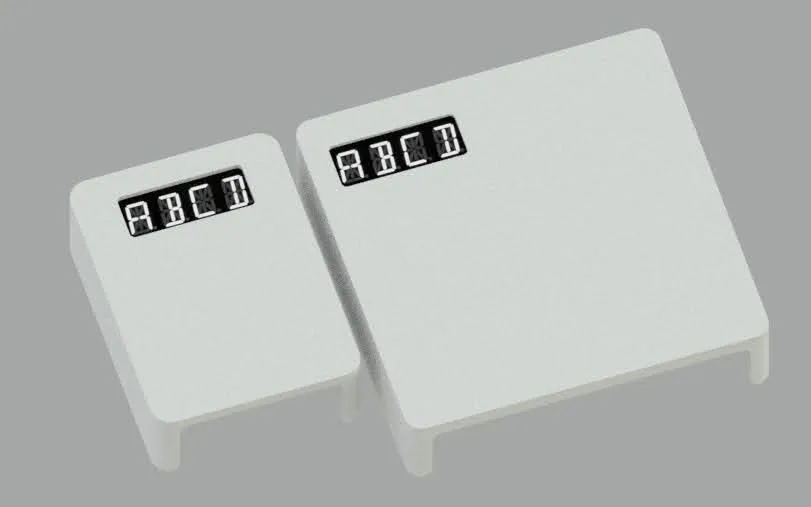
- Supported a 14-segment display for local status and temperature readout.
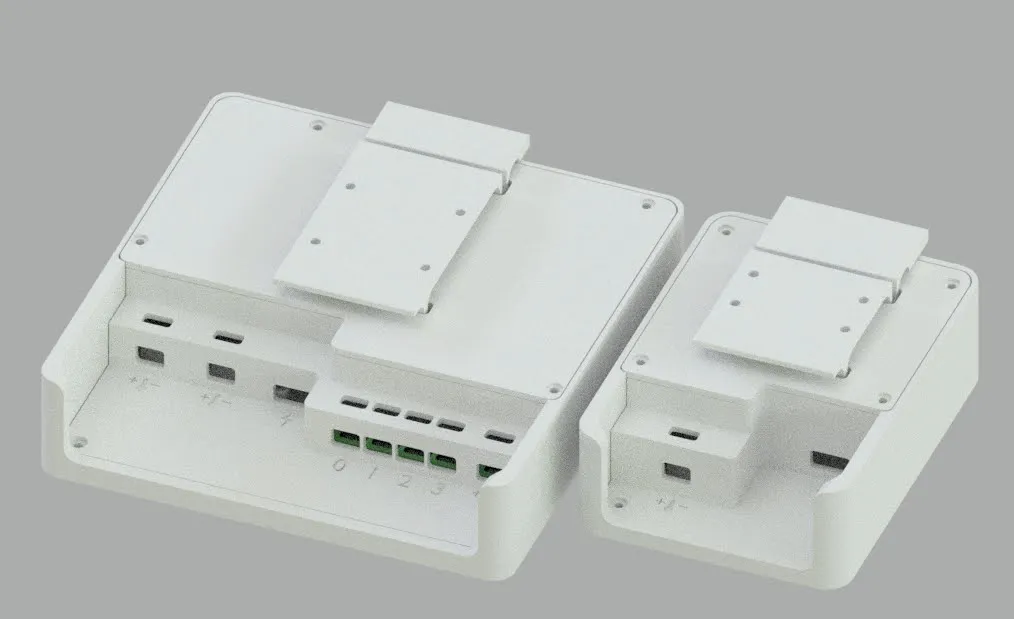
- Included multiple thermocouple inputs.
- Featured multiple solid-state relay outputs.
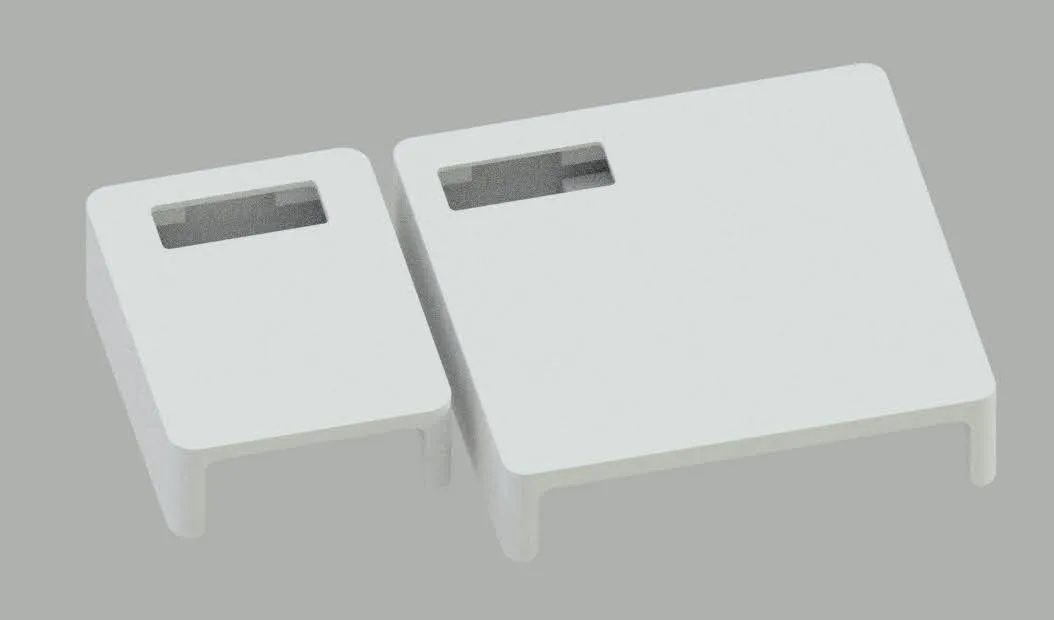
- Had improved enclosures designed for wall mounting and durability.
- Supported WebSocket for real-time updates.
- Incorporated many other hardware and software improvements.
- Developed a full Node.js backend using Express.js and a MySQL database to handle user accounts, authentication, kiln management, firing profiles, WebSocket real-time updates, and temperature data logging.
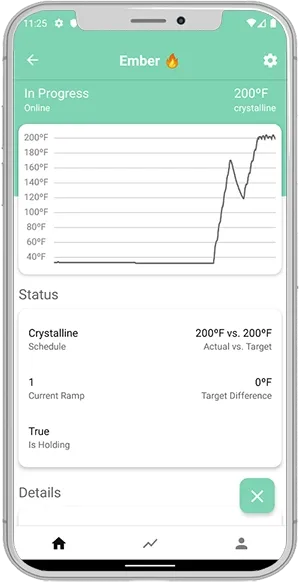
- Built a React Native app for iOS and Android. Users could manage multiple kilns, create and edit firing profiles, start and stop firings, and monitor live temperature data or review historical logs.
- Published the mobile app to the Apple App Store and Google Play Store.
Here are the final results:
Renders
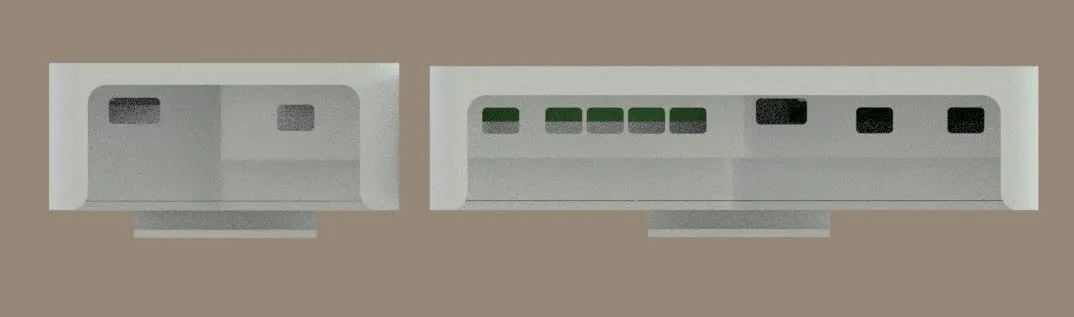

Case Revisions
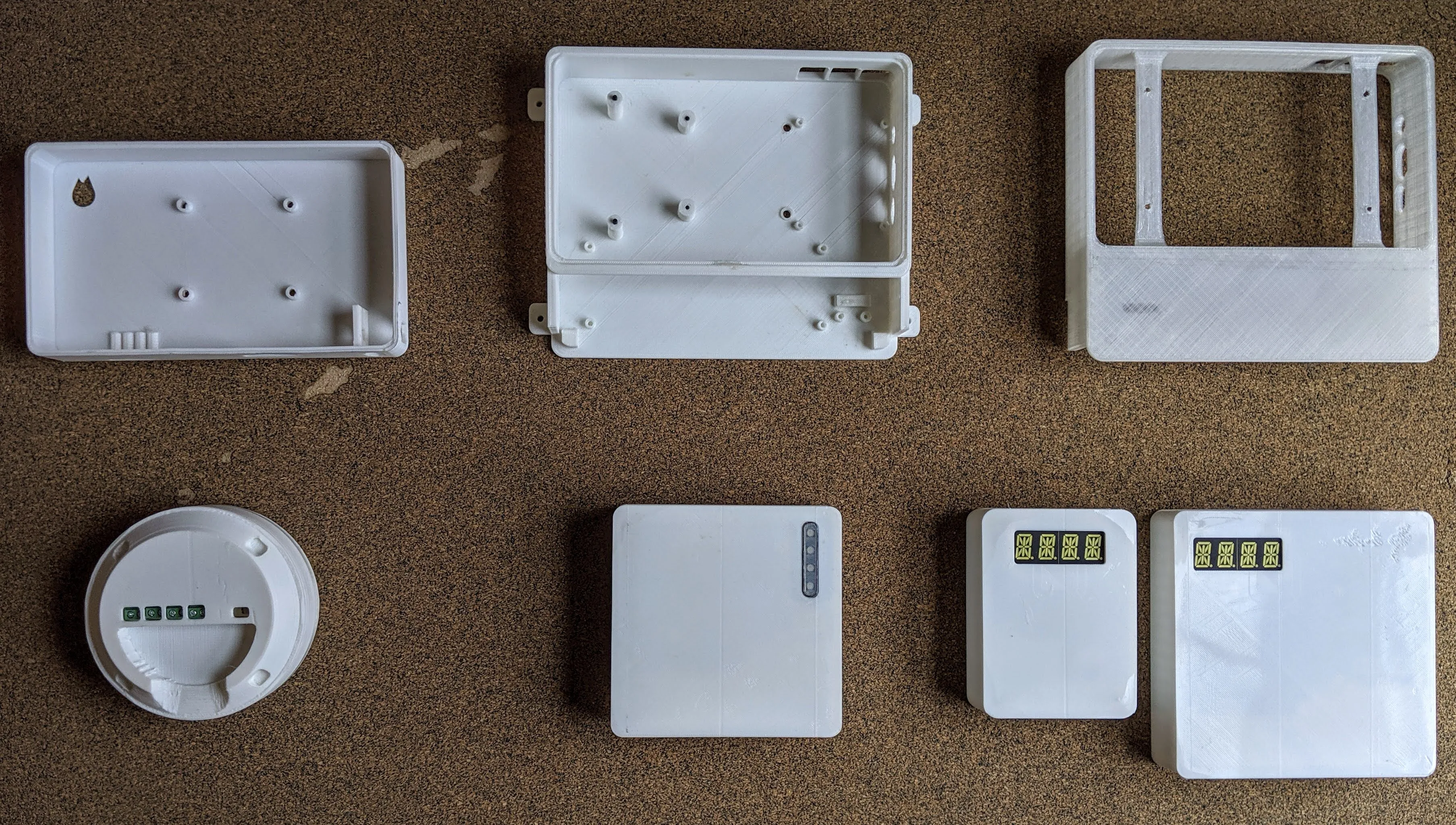
Each of the three versions went through multiple iterations. Here are some of the case revisions:
Last modified: 27 Oct 2026